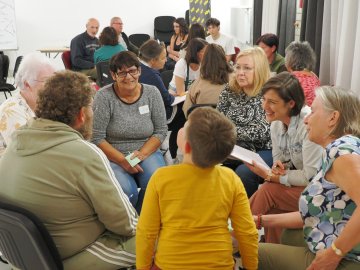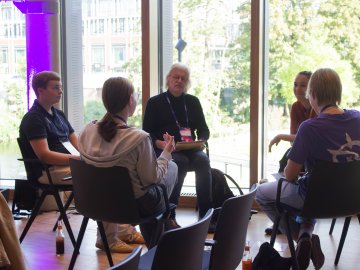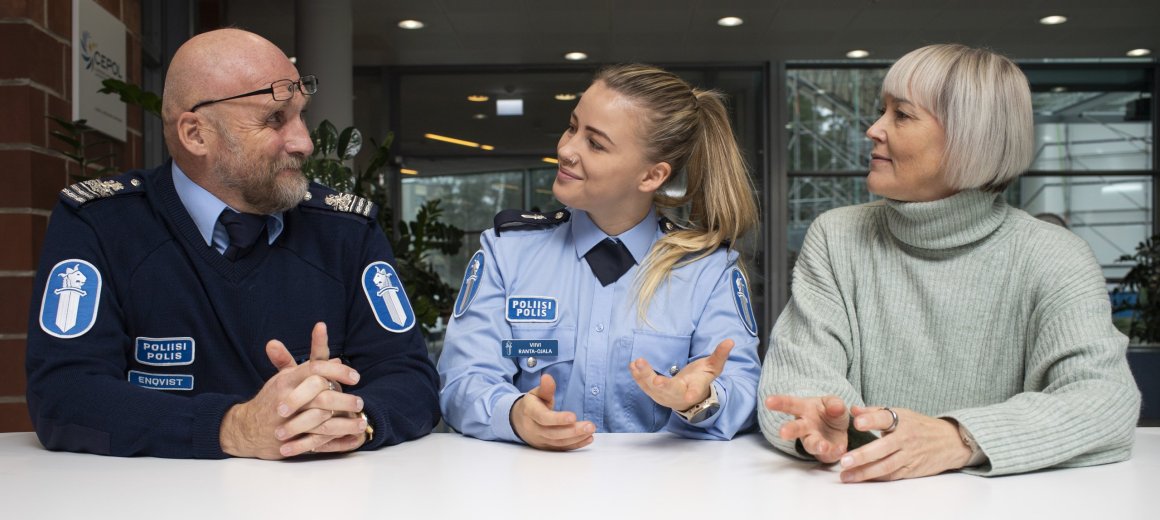
The Police University College participated in the international CLARUS project, which examined how cognitive biases affect the handling of digital evidence and criminal investigations. The project developed tools to strengthen the objectivity and reliability of investigative work. The Timeout Foundation contributed to the project by organising dialogues for citizens in cooperation with the Police University College.
The aim of the dialogues was to bring citizens’ perspectives into the project’s development work. Participants had the opportunity to assess materials produced within the project and provide feedback on issues such as their comprehensibility, accessibility and clarity of communication. This allowed citizens’ experiences and perspectives to be taken into account in the development of the project’s outputs.
The citizen panels brought an important user perspective to the research. They helped ensure that the project’s results and materials are understandable, accessible and meaningful for citizens as well”, says Researcher Carita Lundqvist from the Police University College in thePolice University College’s news article, published on 19 November 2026.
Communication matters for investigative objectivity
The CLARUS project examined how cognitive biases affect the handling of digital evidence and criminal investigations. The project examined operational models, communication practices and information flows in digital investigations in Scotland, Greece, the Czech Republic, Portugal and Finland.
Particular attention was paid to how information moves between different actors involved in an investigation and to situations where the risk of cognitive bias may increase. The Police University College led the project’s first work package, which mapped digital forensic and criminal investigation practices as well as professionals’ experiences across the participating countries.
The research showed that the handling of digital evidence is generally guided by clear and highly regulated processes. At the same time, it revealed that information relevant to investigations is often shared informally through phone calls, emails and discussions.
While informal information sharing supports practical investigative work, it also involves risks. Experts’ interpretations may be influenced by background information that is not necessary for their specific tasks. For this reason, the project highlighted the importance of information management, documentation and clear communication.
The reliability of digital criminal investigations is not based solely on technology and formal procedures. It is equally important to understand how information is communicated between different actors and how it may influence the interpretations made during an investigation”, says Senior Researcher Jarmo Houtsonen from the Police University College in thenews article, published on 19 November 2026.
Tools for professionals and citizens
Based on the research findings, the project developed a multilingual glossary for digital forensics, the Clarity Checker tool for assessing communication clarity, and an online training course for professionals.
The aim of these tools is to harmonise terminology, support clear communication and help identify situations in which cognitive biases may affect the interpretation of digital evidence”, explains Researcher Carita Lundqvist from the Police University College in the news article, published on 19 November 2026.
The project also produced an open online course for citizens. Citizens’ participation in the project’s development work helped ensure that the materials are also useful for people who do not work in criminal investigations or digital forensics.