Funded by the EU’s Horizon Europe programme, the DIACOMET project was based on the idea that as communication environments and digital interaction evolve, both societal and individual understandings of the ethical ground rules of communication must also be updated. The aim was to create shared European ethical guidelines and to spark broader discussion on the principles of communication. Dialogue and strengthening dialogic practices played a central role in this work.
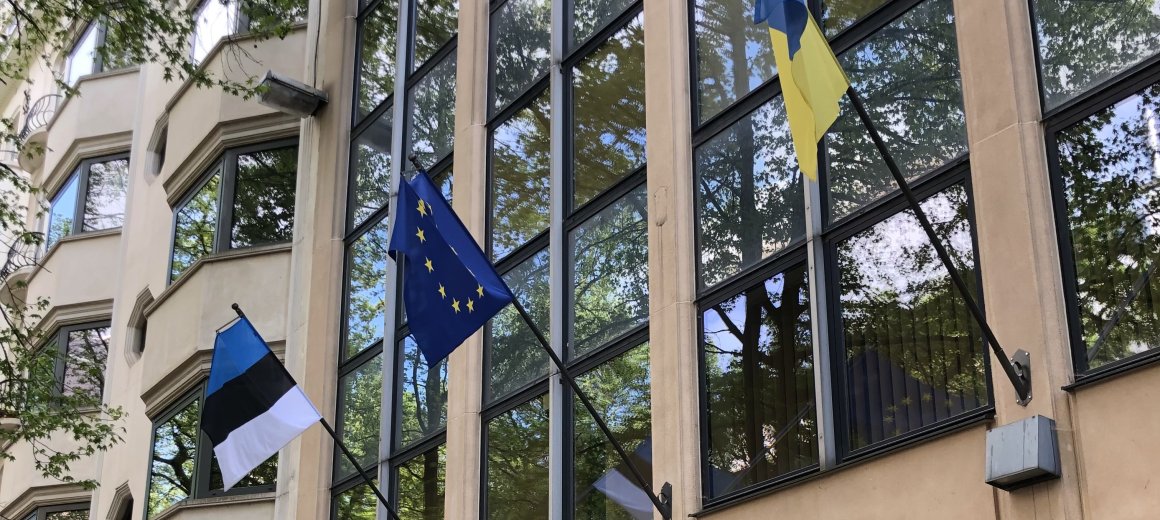
Eight countries participated in the project: Austria, Estonia, Finland, Hungary, Lithuania, the Netherlands, Slovenia and Switzerland. Finland’s responsibility in the project was to focus on addressing ethical challenges in communication through the Timeout method.
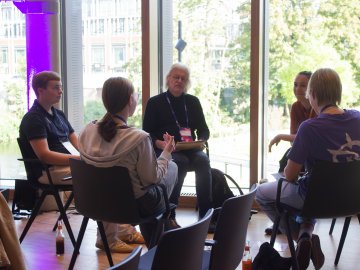
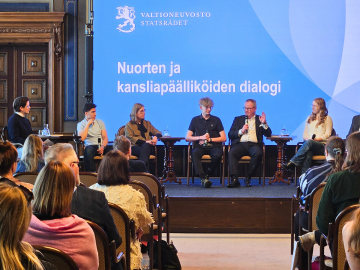
During the project, a total of 87 Timeout Dialogues were organised, involving more than 500 participants from different countries. The Timeout Foundation trained facilitators for the dialogues in all participating countries.
The discussions approached ethical questions in communication through the participants’ own experiences. The goal was not to produce ready-made answers, but to build shared understanding and bring forward diverse perspectives from everyday communication situations.
The dialogues generated ideas that no one had when they entered the conversation. All of that emerged within just a couple of hours. That speaks to the strength of the dialogue method. The discussions also confirmed that the method works in a cost-effective way,” says project researcher Heikki Heikkilä.
Principles for Dialogue-Supportive Communication
One of the project’s key outcomes is a set of Principles for Dialogue-Supportive Communication, designed to promote ethical, respectful, and inclusive communication in democratic societies. These principles are grounded in dialogic communication ethics, as well as research in communication, journalism ethics, and dialogic pedagogy.
The principles emphasise, among other things, balancing power dynamics, ensuring equal access to information, fostering mutual respect, and promoting argumentation based on researched knowledge. They can be applied broadly across different communication contexts from interpersonal and institutional communication to digital and machine-mediated environments. The aim is to support shared understanding of ethical communication and strengthen a culture of dialogue in diverse settings.
Dialogue Lab – A Game for Practising Ethical Communication
Another concrete outcome of the project is the Dialogue Lab dilemma game, developed to support ethical reflection and communication skills. Available both online and as a board game, it is based on different communication dilemmas through which players explore situations from multiple perspectives and reflect on their own choices.
The game has been developed through international collaboration and tested with students, teachers, journalists, and communication professionals. Based on feedback, it is seen as both engaging and practically useful across a range of learning and professional environments.
Policy directions
During the project, five cross-cutting priorities were also developed:
- Strengthen resilience and communication security
- Improve transparency
- Expand inclusive participation
- Ensure access to dialogue
- Strengthen media-public interaction
Dialogue Builds Understanding
The DIACOMET project demonstrates that ethical communication is not created through guidelines alone, but through ongoing dialogue. Timeout Dialogues have been a key part of this work, bringing together diverse experiences and perspectives while strengthening understanding of the rules and principles that shape communication.
You can read more about the DIACOMET project and its results here.
What is the Timeout Foundation?
The purpose of the Timeout Foundation is to work together with others interested in dialogue to make the conversation culture more constructive, to reduce societal polarisation, and to increase people’s participation in society. Through Timeout Dialogues, the aim is to build a better everyday life, society, and world.